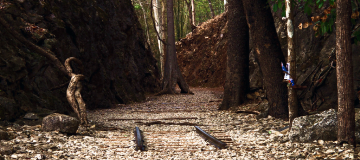
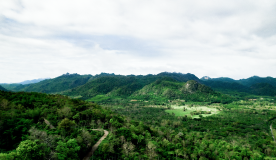
Initial concept by the British Government
The British colonial government first considered building a railway through the thick jungles of the Tenasserim Hills, which separate Thailand and Burma (present day Myanmar). But they decided it was too difficult and costly due to the rough terrain and risk of lives being lost.
Japanese invasion
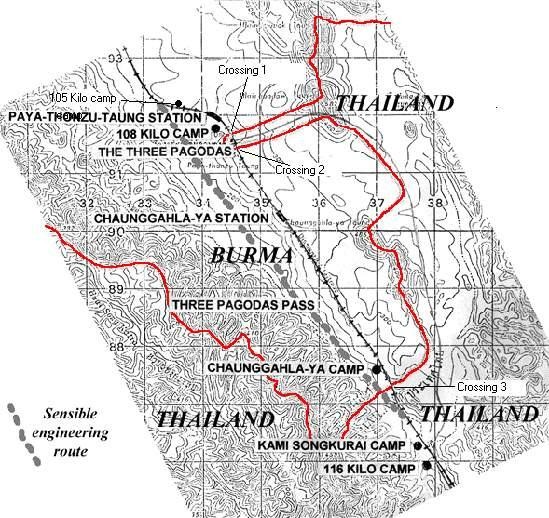
Soon after entering World War II, Japanese forces invaded Southeast Asia, including Burma and Thailand. They quickly overpowered the British defences.

Japanese decision and planning
By mid-1942, the Japanese had control of both Burma and Thailand. To help their military and improve transport, they decided to build the Burma-Thailand railway.
Start of construction
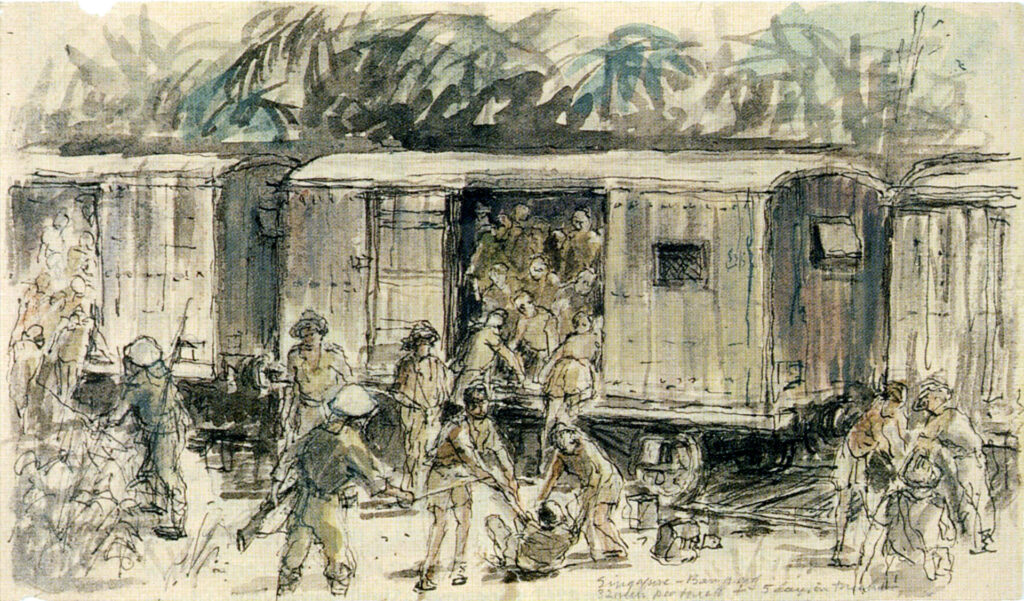
Construction began at two points: Ban Pong in Thailand and Thanbyuzayat in Burma. The Japanese Army forced Allied prisoners of war and Asian labourers to work on this huge project.
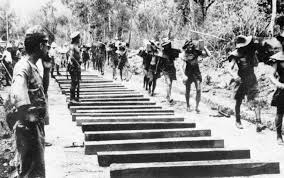
Arrival of POWs
Large groups of POWs, captured from Southeast Asia were brought to the railway. These included British, Australian, Dutch, and American soldiers, sailors and airmen.
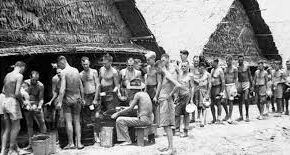
Work begins on Hellfire Pass
Construction started on one of the hardest sections, Hellfire Pass. Workers suffered in brutal conditions, cutting through solid rock.
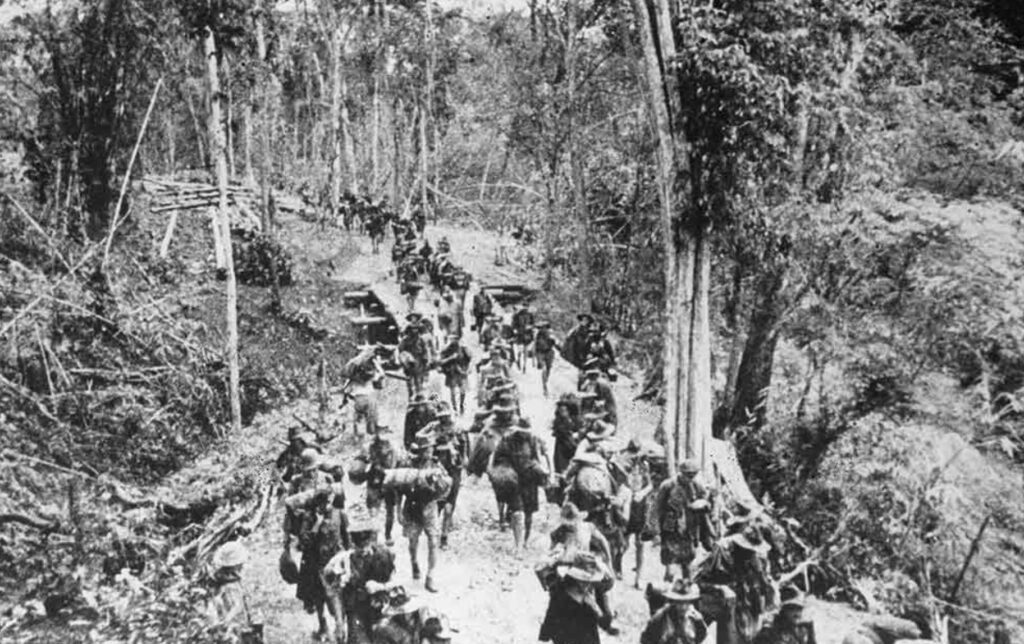
Completion of the Railway
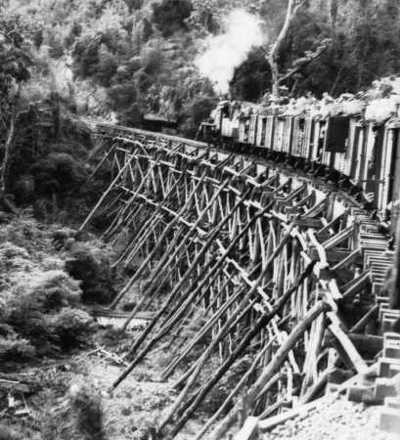
The railway was finished in just 16 months due to the hard work of the labourers. Sadly, many died from malnutrition, harsh conditions, brutality and disease.
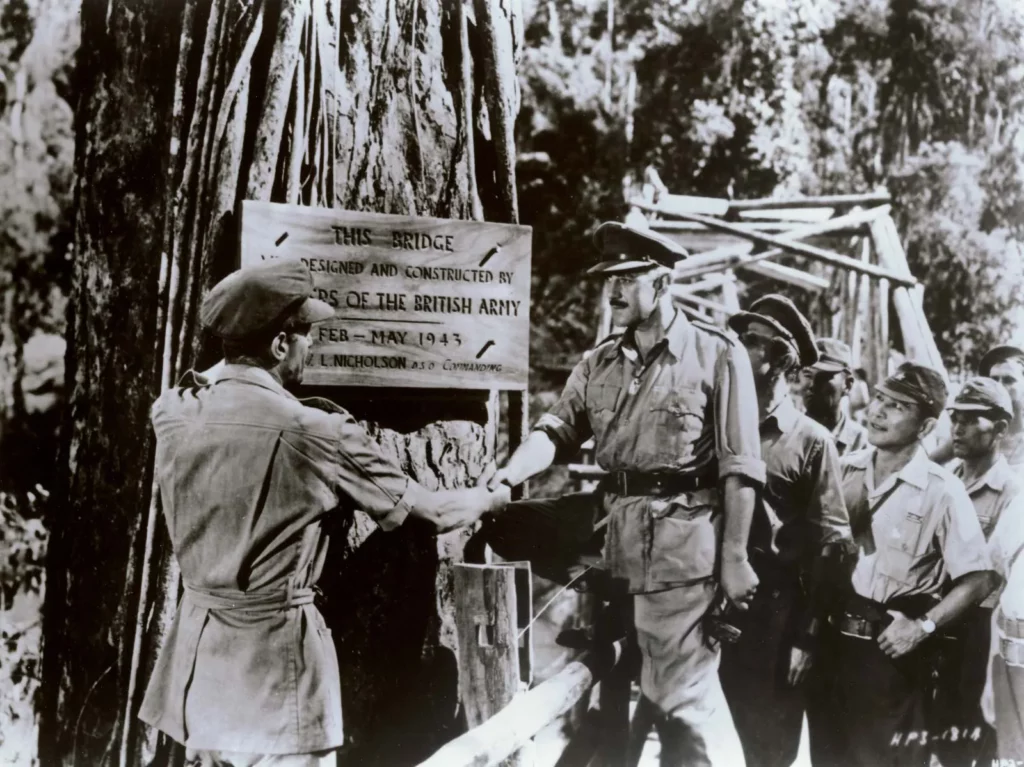
Railway use
The Japanese used the railway to move troops and supplies. Allied forces bombed it often to disrupt these operations.
End of WWII
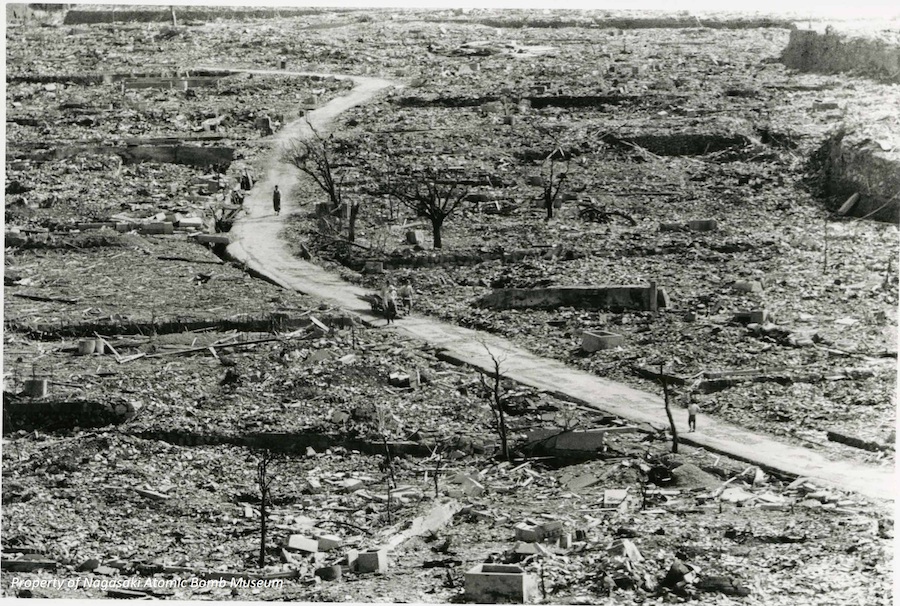
After the atomic bombings of Hiroshima and Nagasaki, Japan surrendered. Allied forces quickly freed the remaining POWs.
Freedom and the journey home
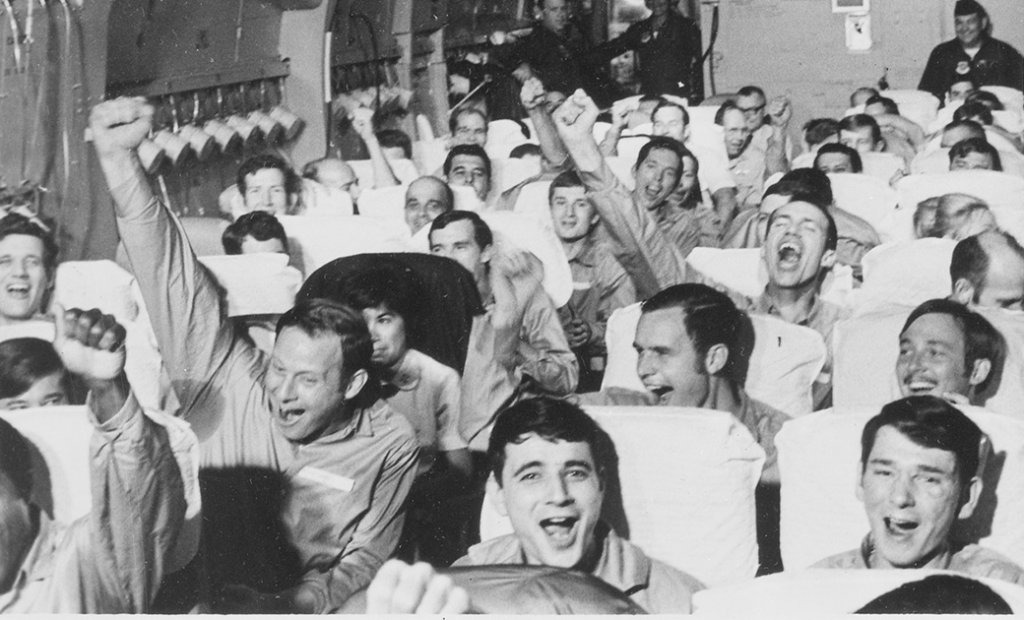
Allied medical and military teams arrived to help the surviving POWs return home. The former prisoners began their journey back, carrying the scars of their suffering.
Post-War Period Dismantling and Remembrance
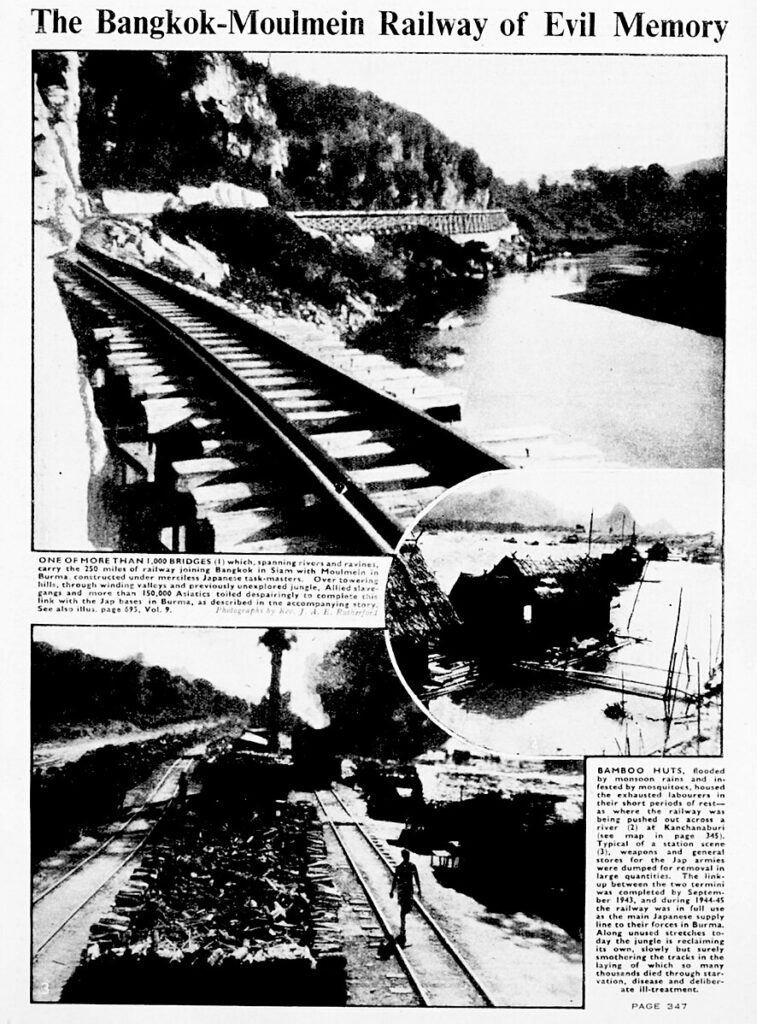
After the war, parts of the railway were taken down due to their link to the conflict. Some sections were restored as memorials and historical sites, honouring those who suffered and died.
Abandonment
After World War II, parts of the Burma-Thailand Railway, including Hellfire Pass, were abandoned. The rough terrain and sad memories kept people away, and the area was left untouched for decades.
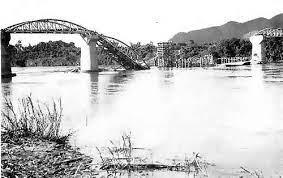
Rediscovery
In the 1980s, former POWs and adventurous tourists rediscovered Hellfire Pass. The POWs’ stories showed the importance of preserving the site.
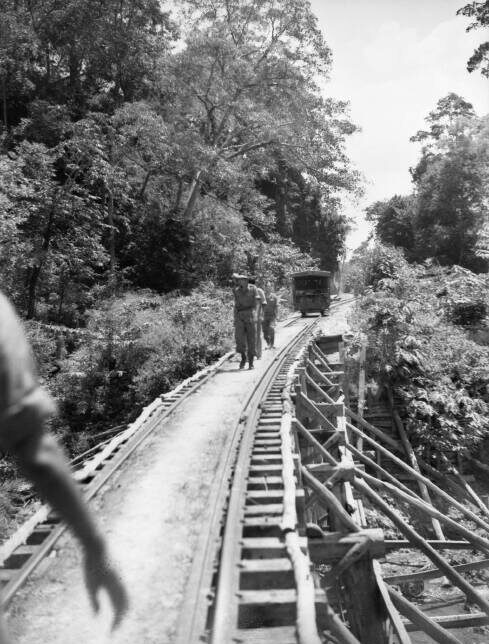
Memorial plans begin
The Australian Government, with help from surviving POWs and their families, started planning a memorial at Hellfire Pass to honour those who suffered and died.
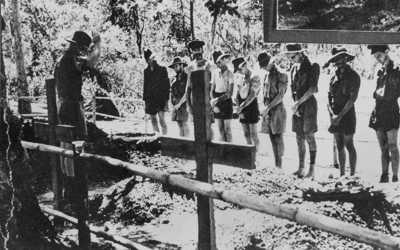
Opening of the Memorial and Museum
The Hellfire Pass Memorial and Interpretive Centre opened officially. Then Australian Prime Minister Paul Keating attended the ceremony, stressing its importance in Australia's war history.
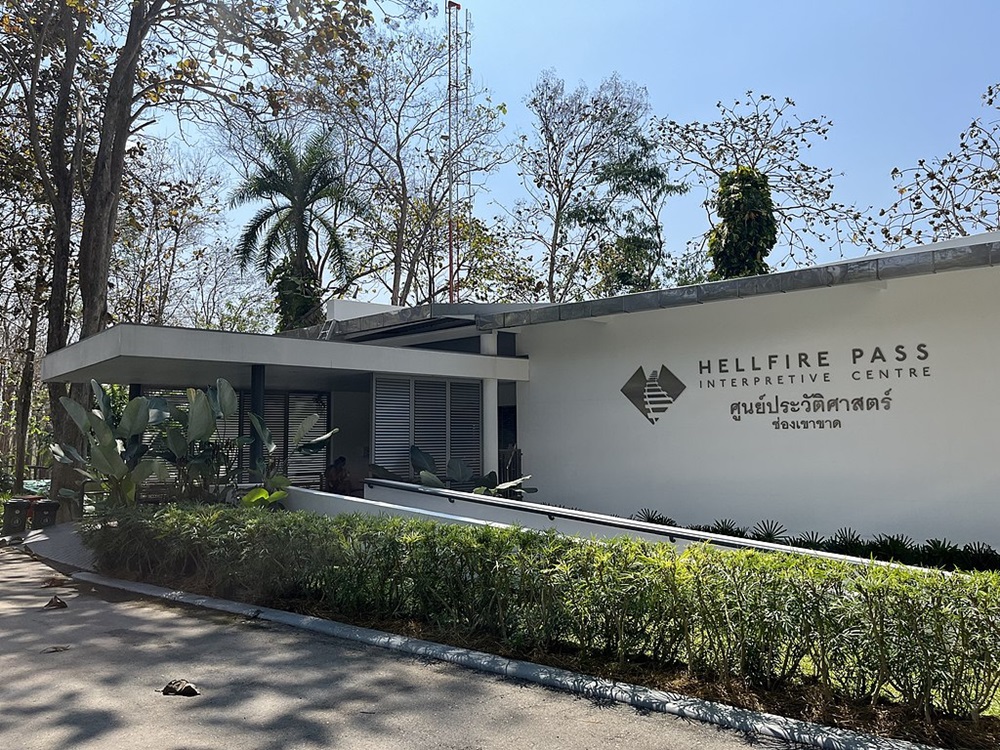
Anzac Day ceremonies begin
Hellfire Pass became a site for annual Anzac Day ceremonies. These events honour the Anzac soldiers and their role in building the railway. The dawn service has become a major event, drawing relatives of POWs, veterans, and visitors from around the world.

Education and preservation
The site now offers educational programmes about the history of Hellfire Pass and the Burma-Thailand Railway. The site continues to be preserved with improvements to the museum and visitor facilities.

Annual events and growing importance
Each year, Hellfire Pass connects us to the past. Memorial events, tours, and the natural setting make it a place of historical significance and a reminder of human strength.

Annual events and growing importance
Each year, Hellfire Pass connects us to the past. Memorial events, tours, and the natural setting make it a place of historical significance and a reminder of human strength.